What obedience really means
Obedience Is a Set of Small Skills
People often picture obedience as one big lesson. In practice it is a ladder of cues, each taught in easy surroundings and then tested with more noise, motion and temptation. The pages below follow that ladder.
Choose your path
Six Ways to Learn Obedience
Each guide covers one part of the work, the price range to expect and the checks that separate a sound plan from a vague one.
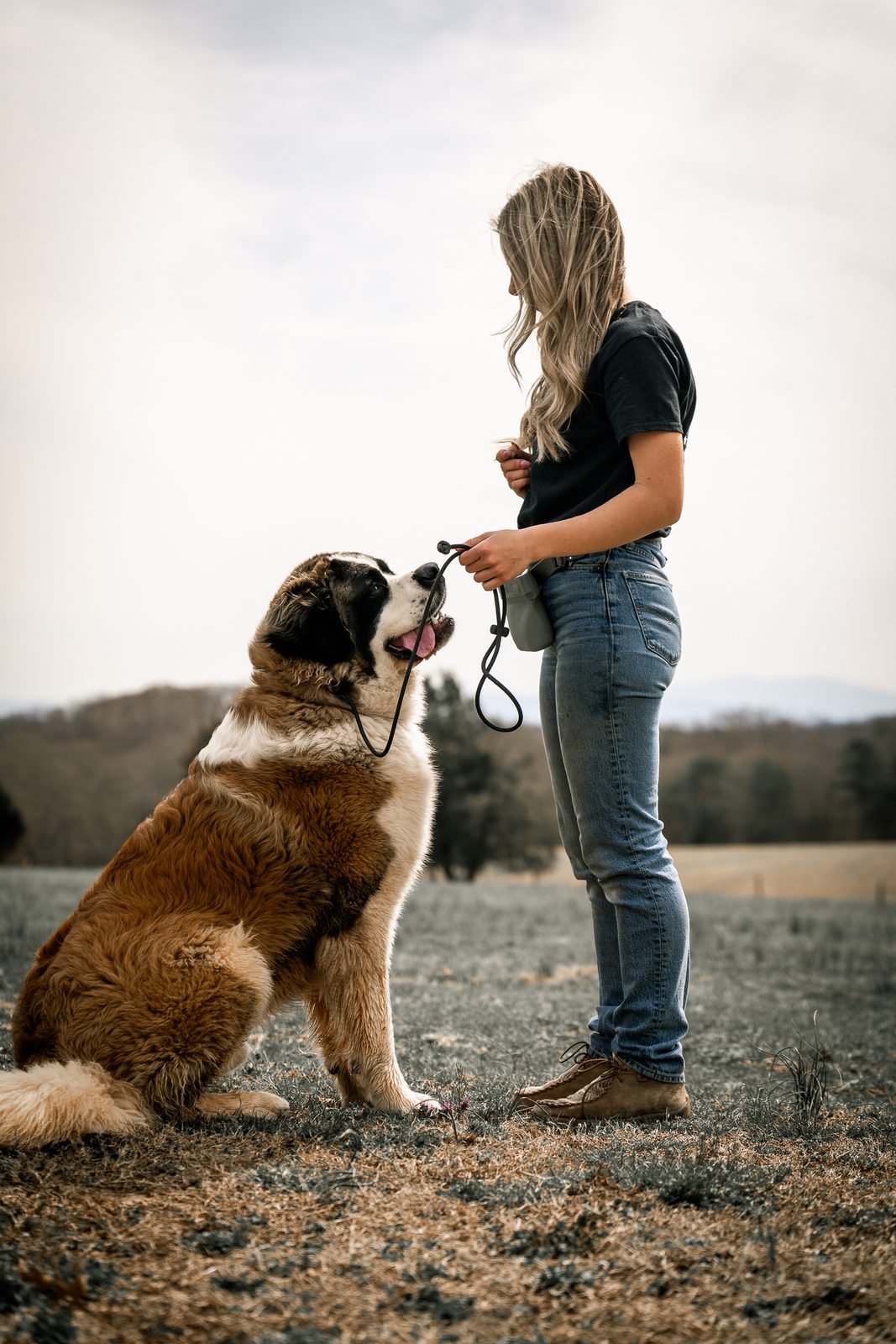
Basic Obedience Package
A full obedience package usually teaches a set of foundation cues in a planned order, then tests them with distractions.
$500 to $1,200 per packageRead the guide →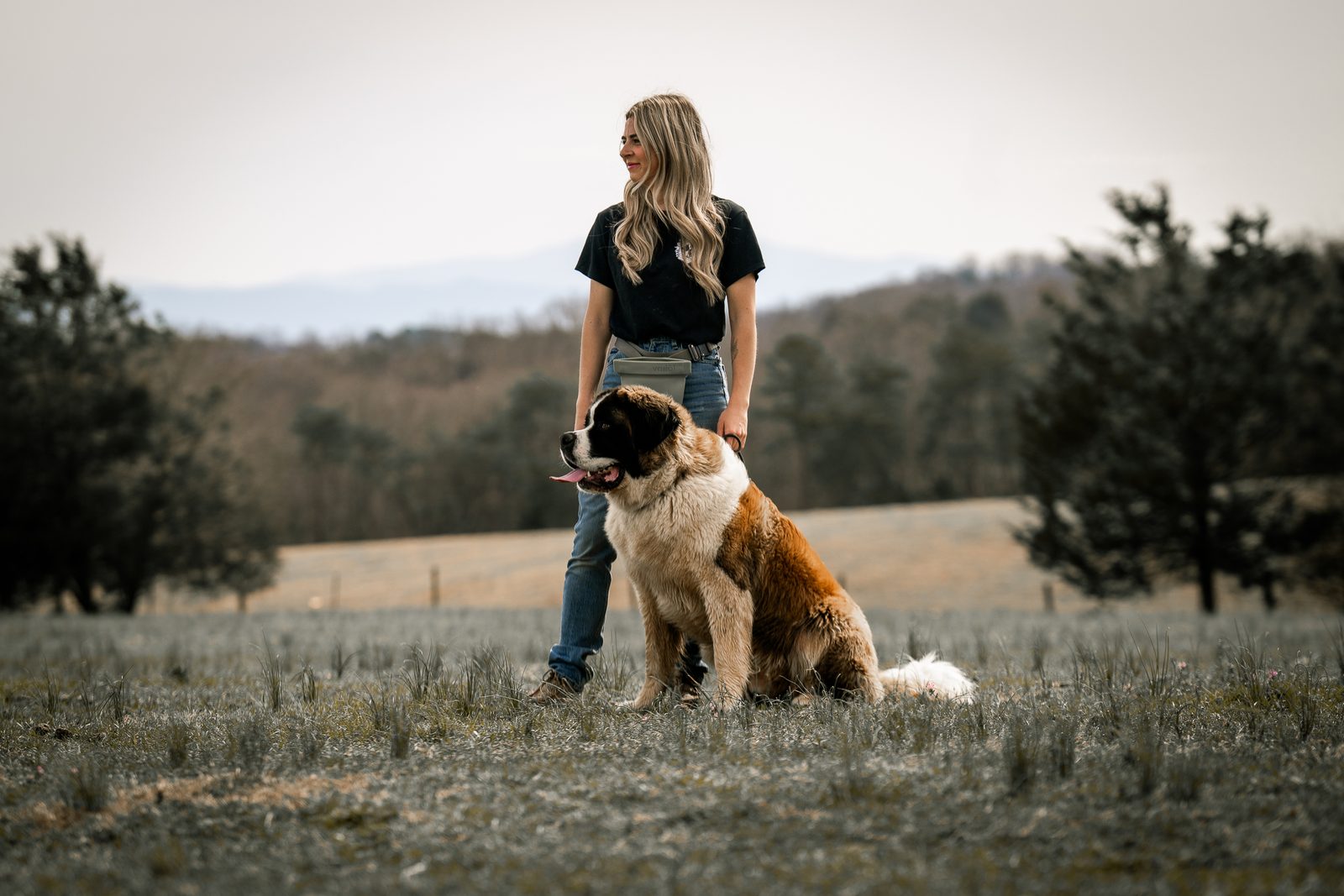
Loose-Leash Walking
Pulling works for dogs because it gets them where they want to go.
$75 to $150 per lessonRead the guide →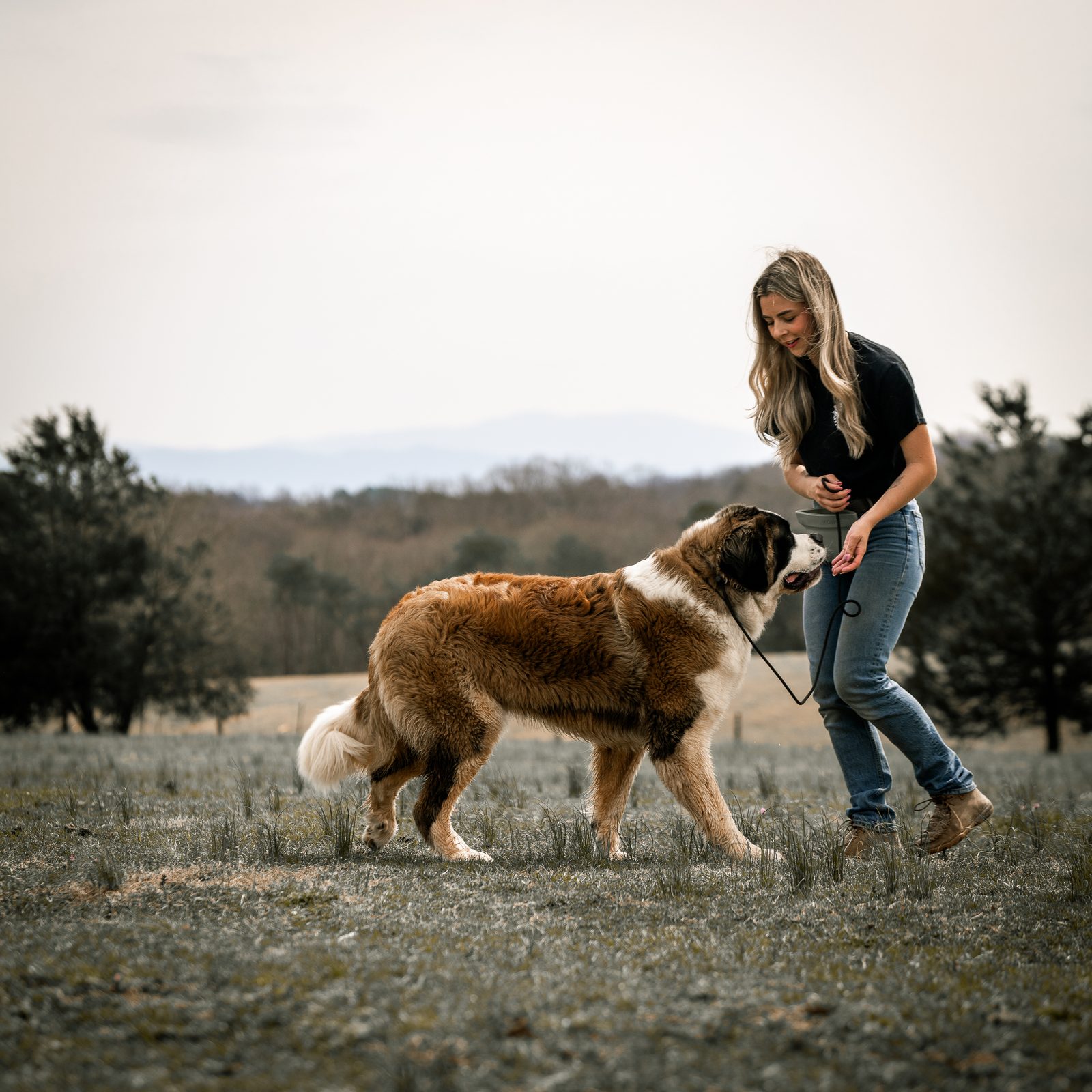
Recall Training
A dependable recall is built, not hoped for.
$75 to $150 per lessonRead the guide →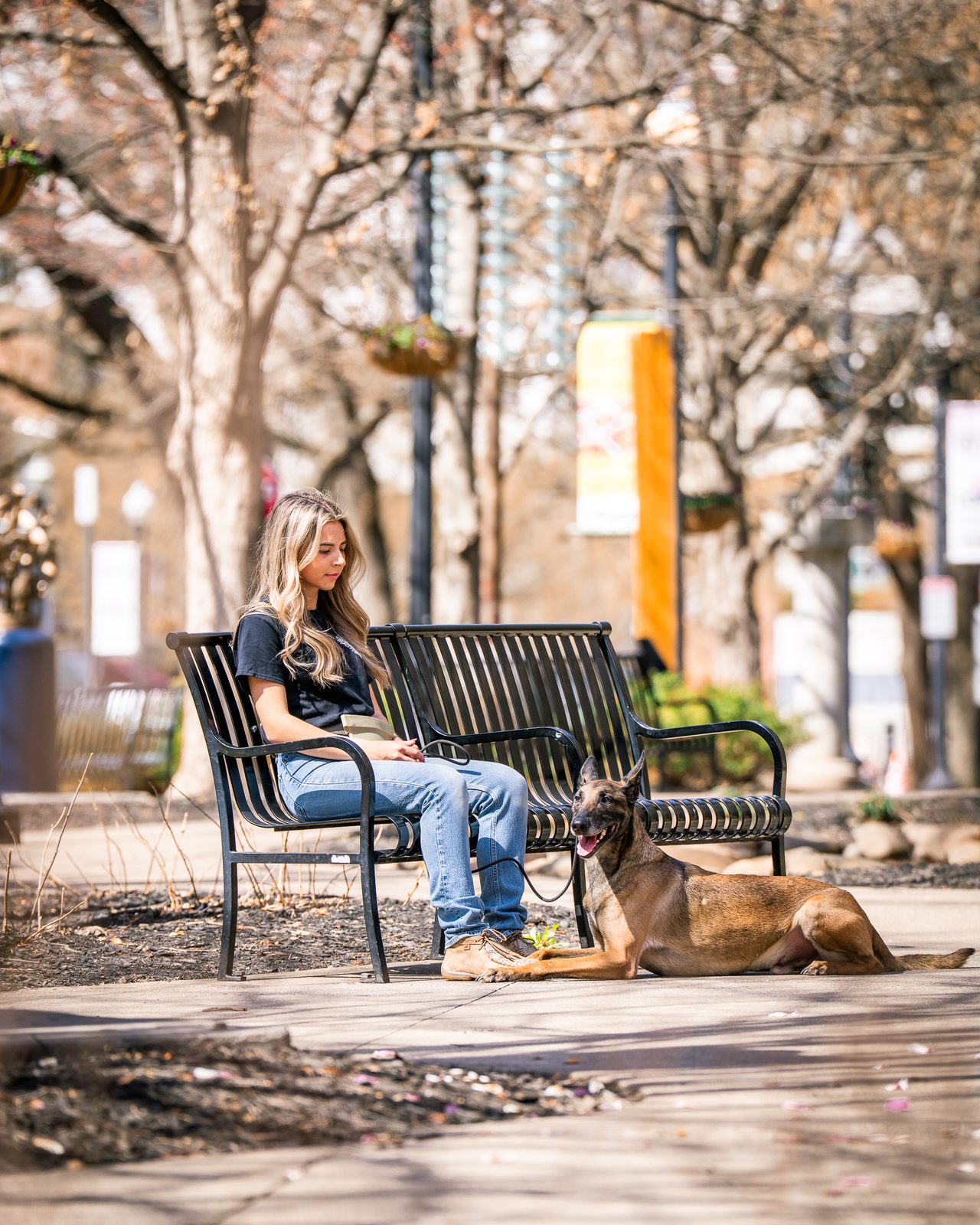
Home Obedience Sessions
Obedience at home means the dog learns in the setting where you will use the skills: hallways, doorways and the yard.
$100 to $200 per visitRead the guide →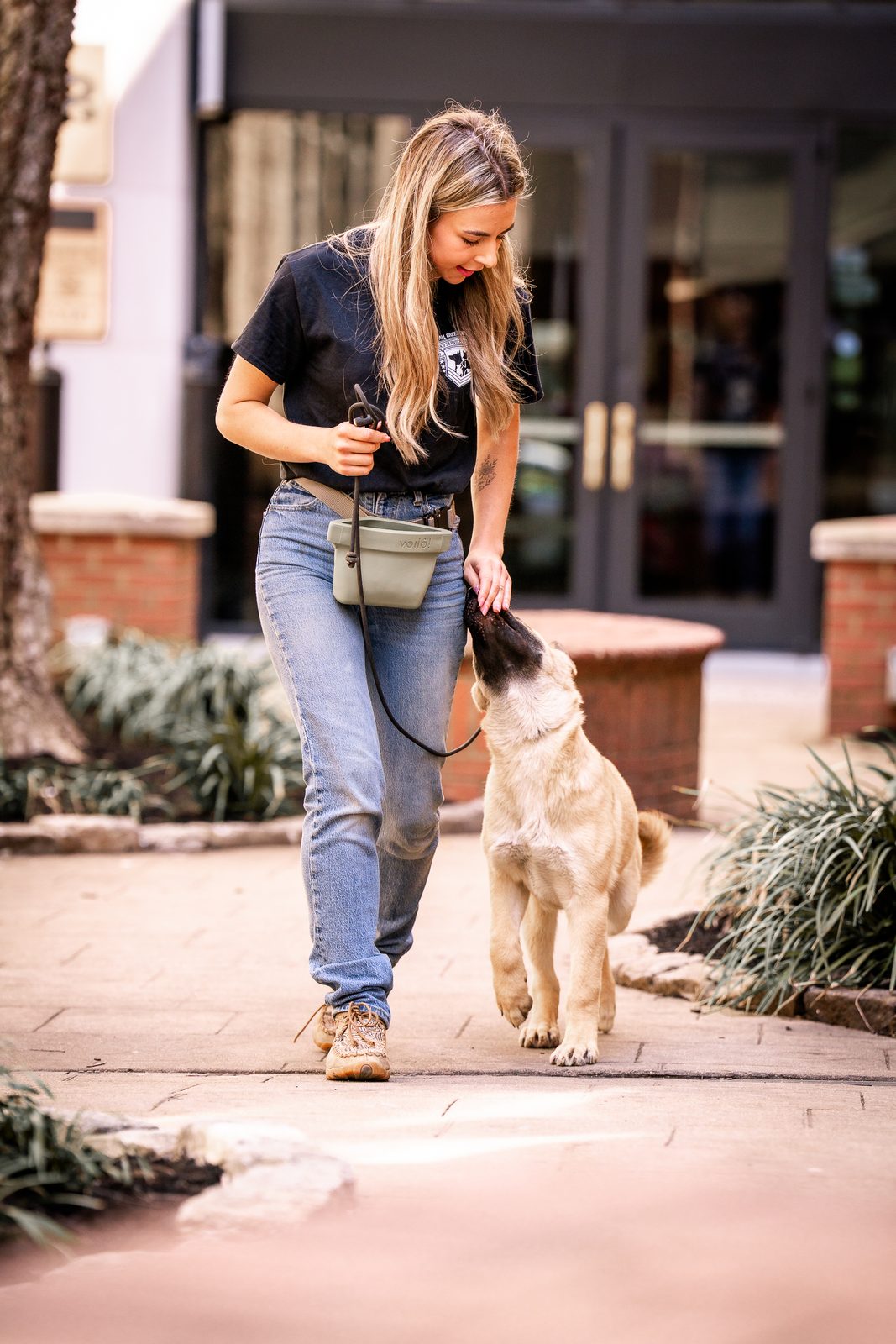
Puppy Obedience Start
Young puppies are not ready for long drills, but they can learn the roots of obedience through games.
$150 to $350 per starter packageRead the guide →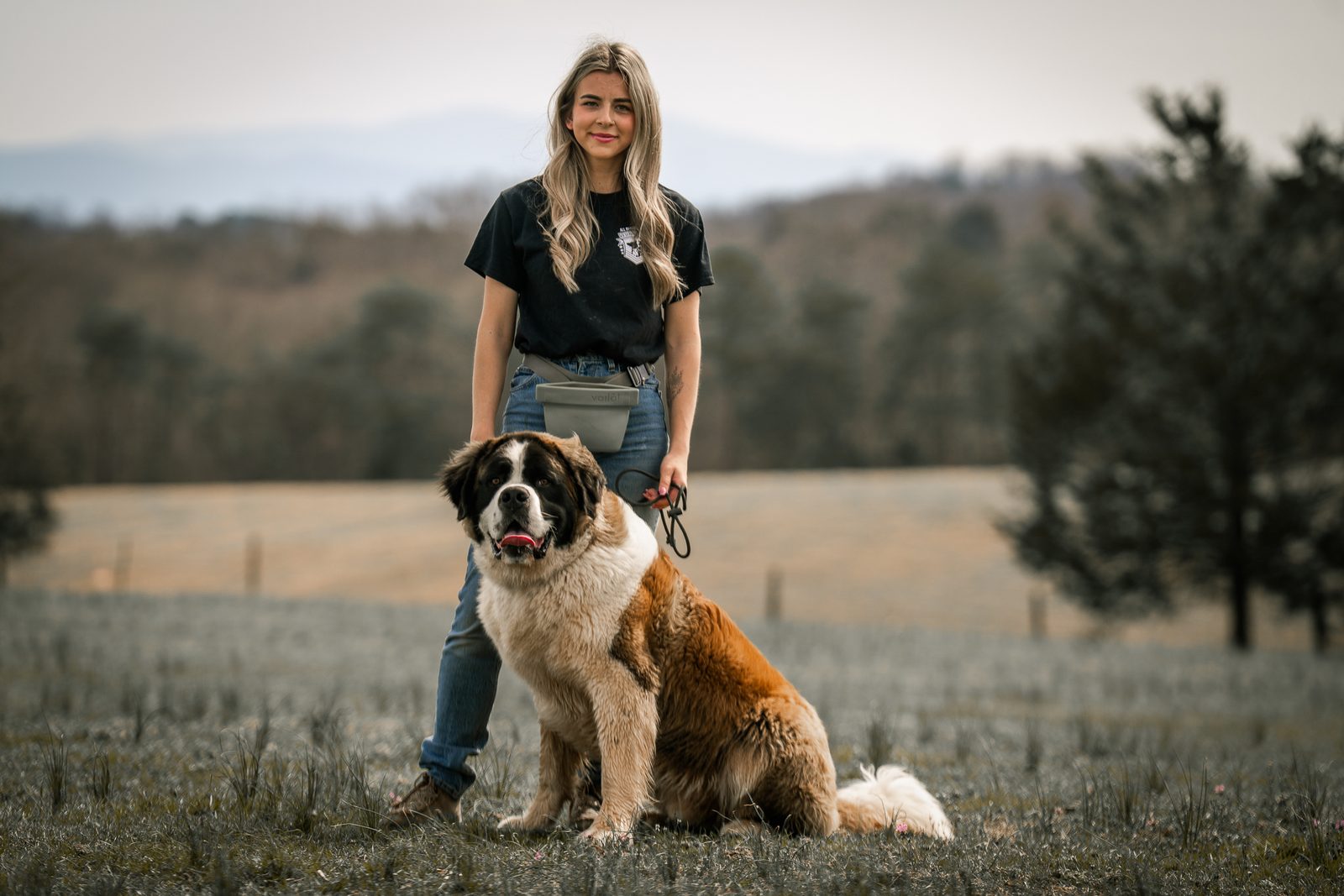
Obedience Board and Train
In an obedience-focused stay, a dog practices foundation cues daily with a trainer and then returns home for a handoff.
$1,500 to $2,500+ over 2 to 3 weeksRead the guide →Treat every figure as a general estimate. Fees depend on the trainer, the dog and the market.
A sample progression
A Sample Six-Week Progression
Plans differ from trainer to trainer. This outline shows one common way obedience skills are stacked, from first cues to real-world practice.
- Week 1
Name and attention
The dog learns that looking at you pays. Sessions are short and happen in a quiet room.
- Week 2
Sit and down
Both are taught with lures, then with hand signals. Rewards come fast and often.
- Week 3
Wait and release
The dog holds for a moment at doors and bowls, then hears a release word.
- Week 4
Loose-leash walking
Walking begins in the yard, then moves to the street with rewards beside your leg.
- Week 5
Recall on a long line
Coming when called is practiced with distance, using a long line for safety.
- Week 6
Proofing
Skills move to busier places, and rewards become less predictable.
Whatever the length of the plan, the last step is making sure everyone at home can give the cues the same way. Ask any trainer how that handoff works.
How it works
Study. Sort. Prepare.
- 01
Study the skill guides
Each page explains one part of obedience, such as walking or recall, and what typically goes into teaching it.
- 02
Sort the price ranges
General estimates show how a leash-walking lesson differs from a full obedience package.
- 03
Prepare your ask
Take the checklists along so you can question a trainer about method, pace and practice.
Skills in practice
Reps. Rewards. Release.
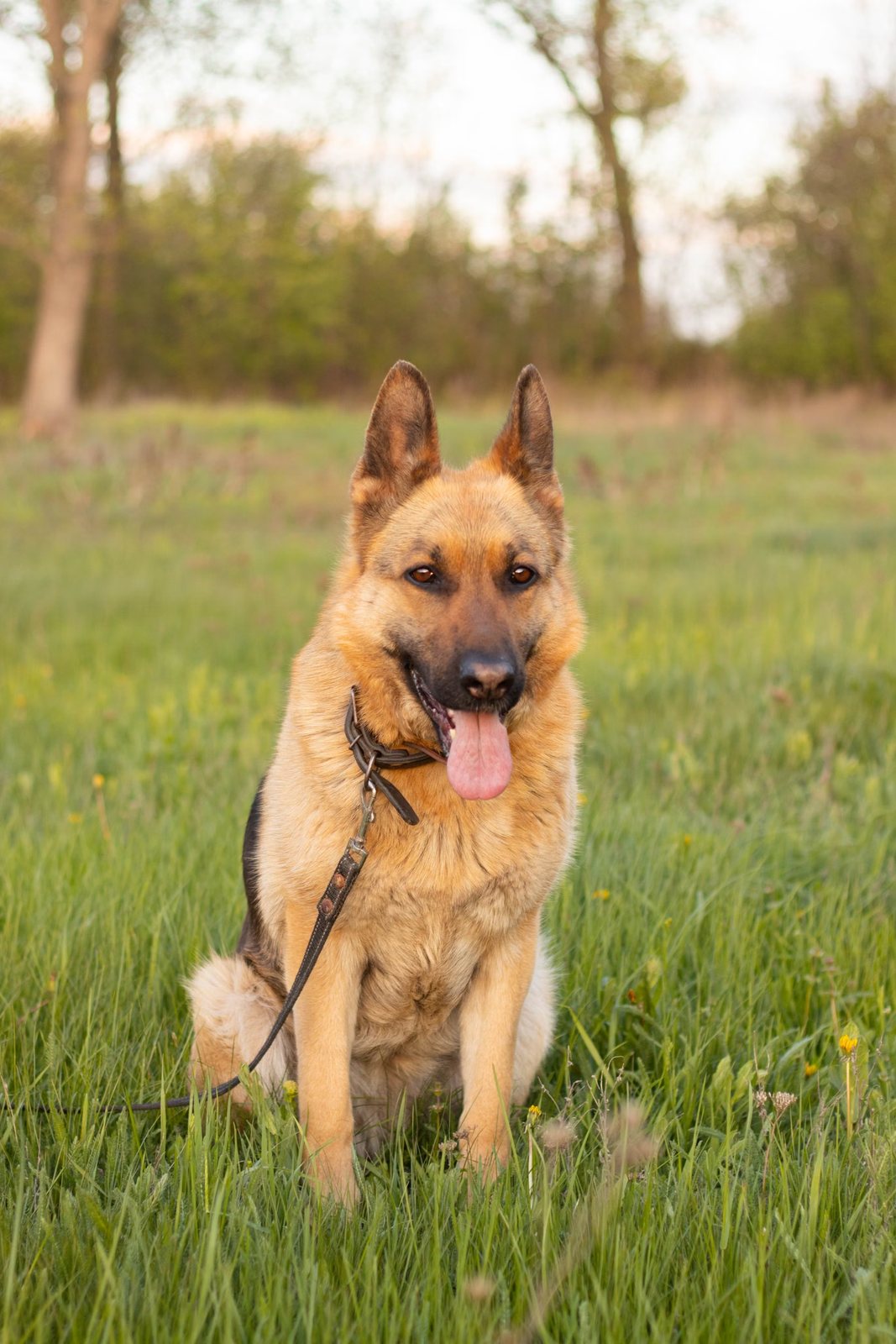
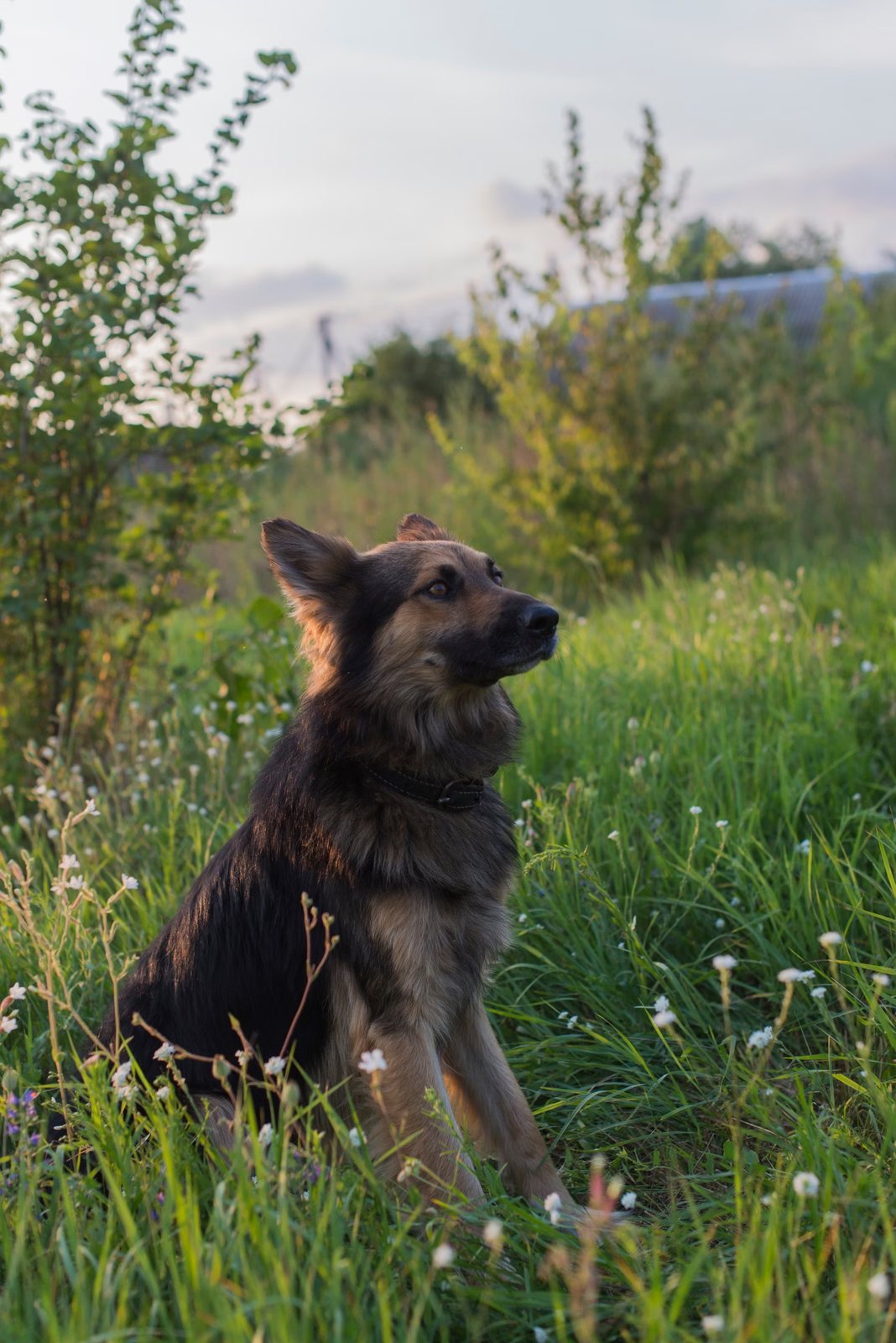
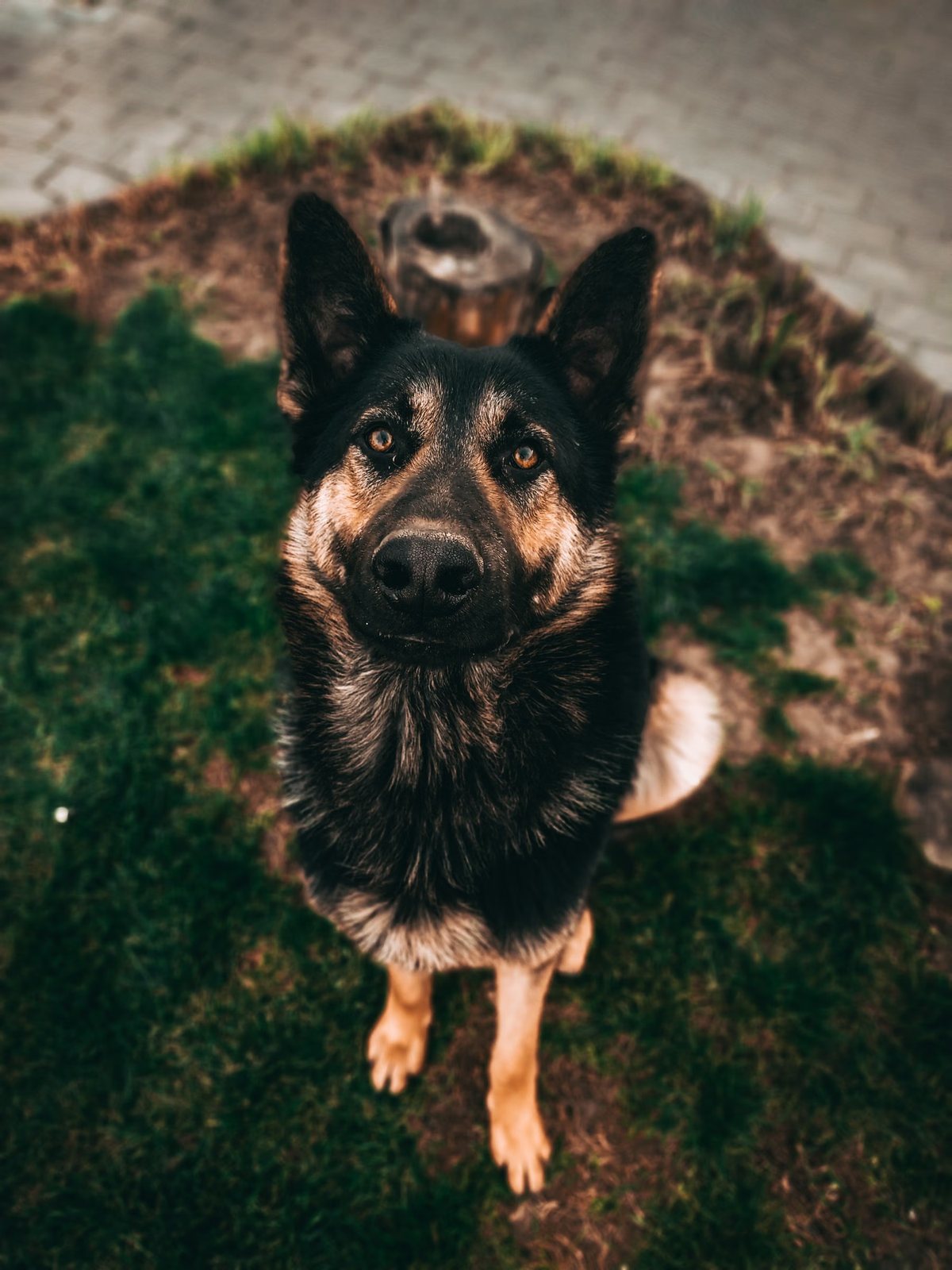
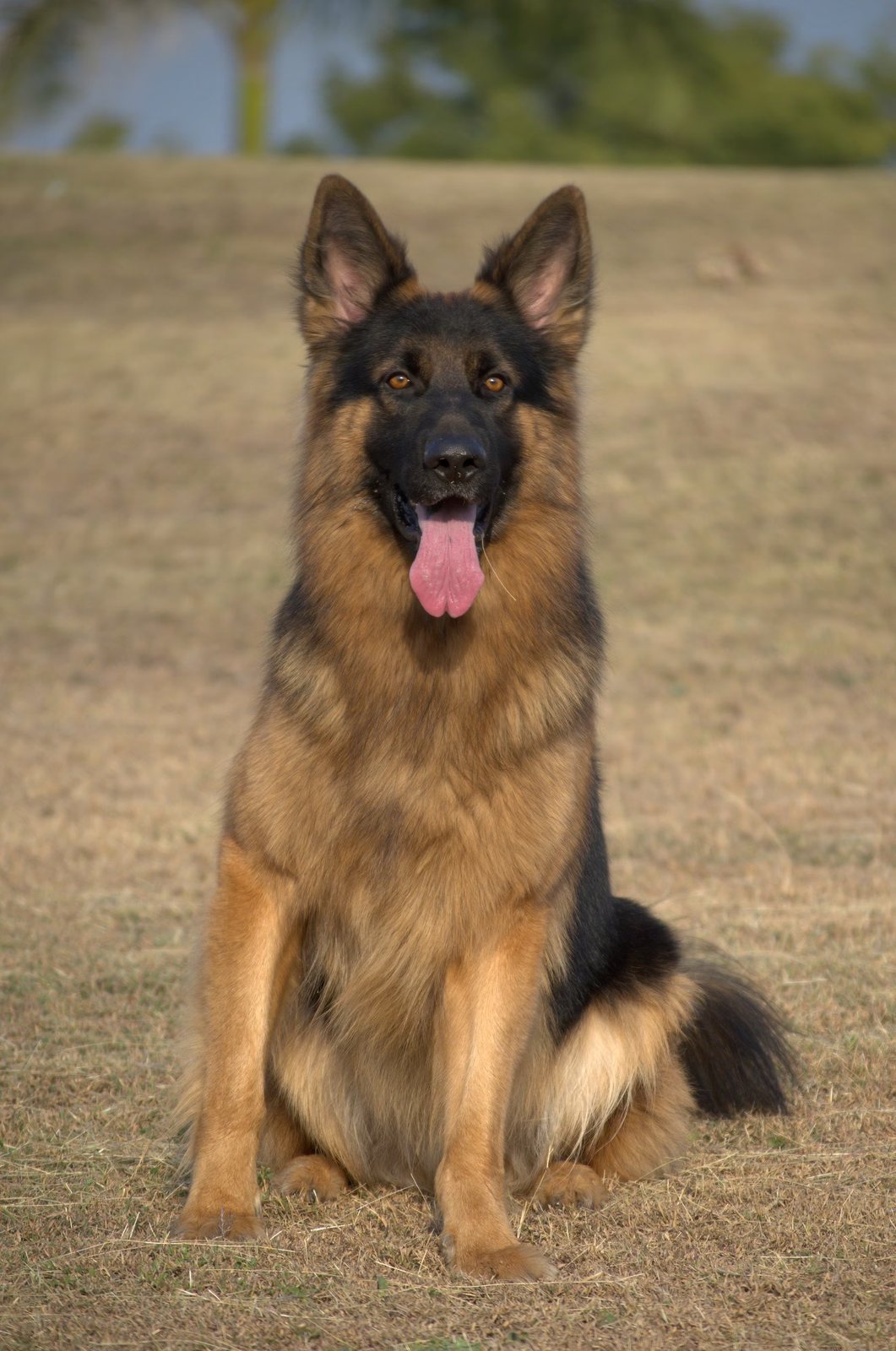
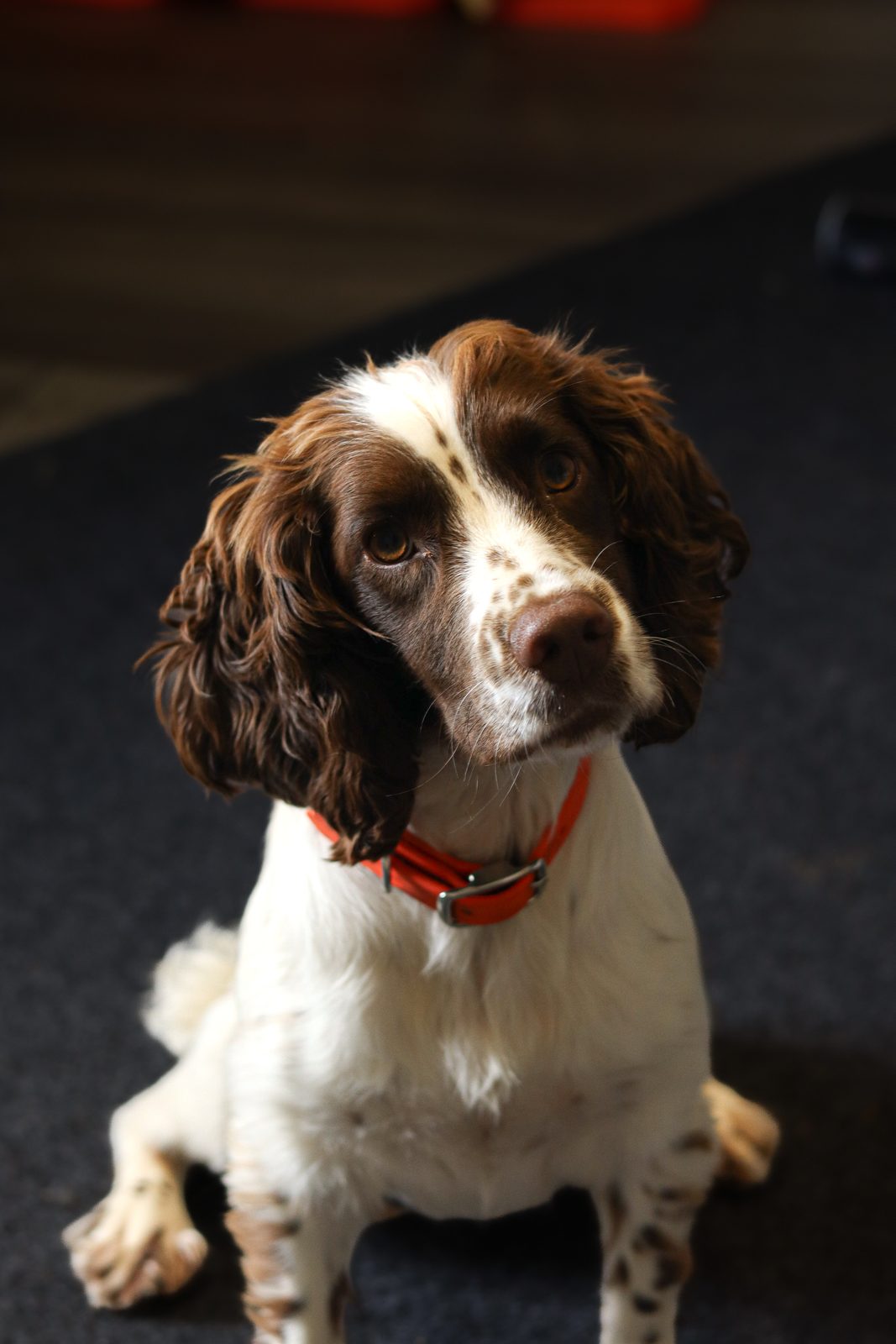
Obedience is a loop: ask, reward, release, repeat. The pictures below show that loop at work in fields, plazas and living rooms.
Behind the pages
Obedience, explained slowly.
This guide sets out how obedience training works, so you can judge a plan before paying for one. It describes cues, lesson formats and the reasons prices vary.
Town notes come from public sources, such as county sites and encyclopedia entries. No reviews, ads or paid placements shape them.
About this guide →Service areas
Towns With Obedience Notes
Every town page ties one obedience skill to local streets, parks and routines.
Trainer availability
Trainer Status, Plainly Stated
We are lining up professional trainers in Long Island, and nobody is taking requests from this site yet. Visit the towns page or the availability notice to see where things stand.
- No signup, no inbox, no payment
- Skill guides ready to read today
- Eight towns, each with obedience notes
Our approach
Slow lessons. Honest numbers.
Run by K9PN, with details in the Disclaimer.
Good questions
Before you begin.
What does obedience training cost on Long Island?
General estimates run from $75 to $150 for a single lesson, $500 to $1,200 for a package and $1,500 to $2,500 or more for a stay.
Can I sign up for lessons here?
No. The site has no form and nobody is taking requests yet.
Which cue should I teach first?
Name response and sit are common starting points because they make later cues easier.
At what age can obedience start?
Puppies can begin with short games once they are settled at home. Older dogs can learn as well.
How often should we practice?
Short sessions every day beat long sessions once a week.
Does this site recommend any trainer?
No. It lists, ranks and endorses no trainers or businesses.